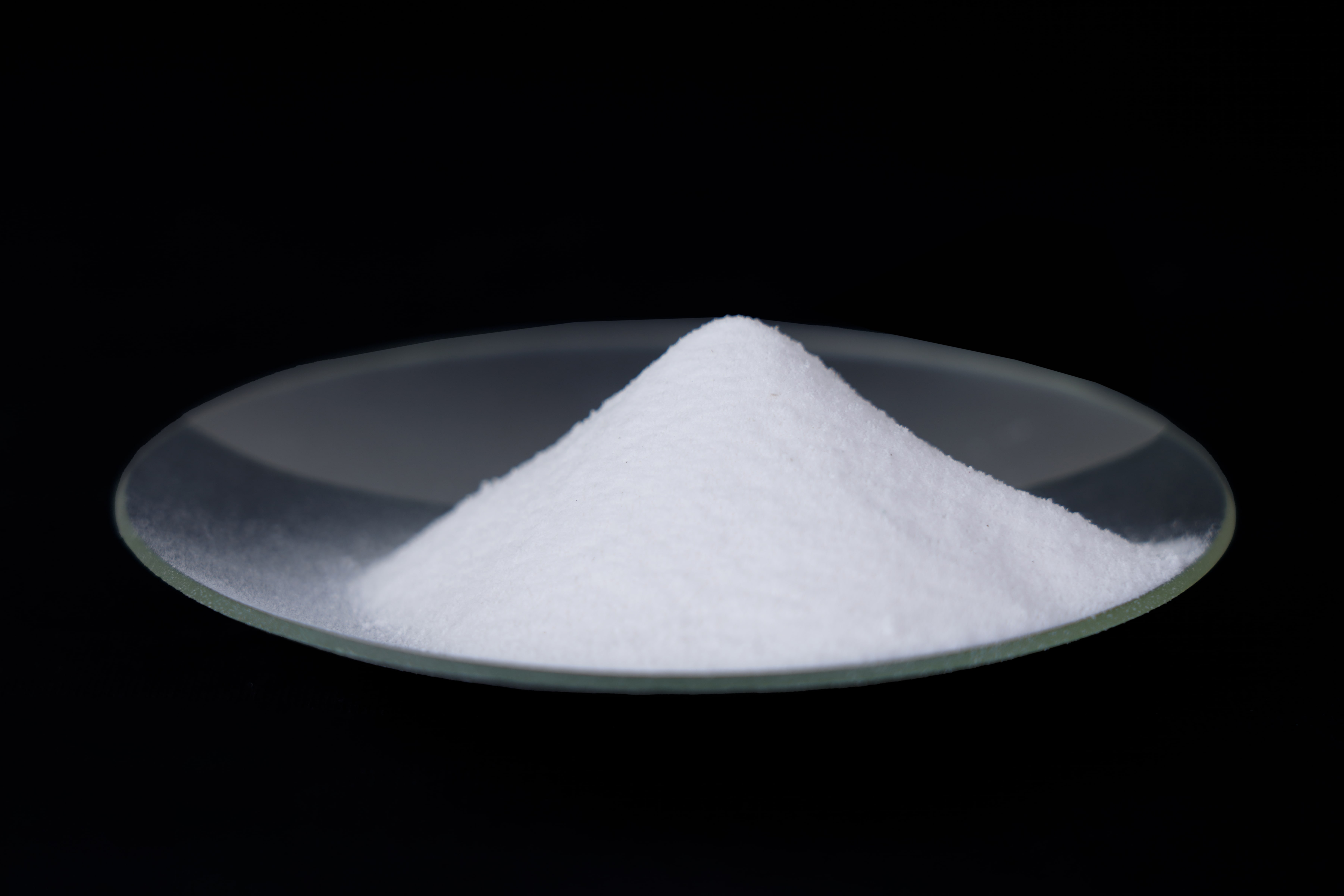
Startingsiliceous powder demonstrates exceptional separating agent extensively adopted in various manufacturing operations, particularly for purification of refreshments. Taken from the fossilized remains of microscopic algae, it contains a unique open matrix that allows for excellent clarification. It performs by creating a subtle particulate screen activated bleaching earth on a strain apparatus, sequestering infinitesimal fragments while permitting liquid flow. Picking the correct variety of porous silica product is necessary for top productivity.
Exploiting Permeable Earth Deposit for Separation
Diatomaceous soil, composed of the fossilized remains of microscopic algae called diatoms, presents a exceptional strategy for purifying various elements. Its structure, a delicate network of silica shells, provides an incredibly broad surface area. This facilitates for highly effective removal of suspended matter from solvent blends. Implementations range from hydrated cleaning and beverage development to leisure water filtration and even crop-related techniques. Perks include its biological origin, cost-effectiveness compared to numerous synthetic alternatives, and its capacity to profoundly seize a broad collection of contaminants.
- Presents superior body removal.
- Remains a earth-friendly choice.
- Appropriate for several industries.
Enhanced Bleaching Layer: Characteristics and Employments
Improved bleaching material is a category of virgin montmorillonite that has undergone targeted treatment to increase its uptake potencies. This method typically involves enzymatic reformation, resulting in a broadened structure with a large area. Consequently, it exhibits remarkable aptitude to clear discolorations from a wide selection of solutions, finding important uses in the bleaching of fats, fats, and other organic entities. Furthermore, its harmless attribute and monetary advantage contribute to its enhancing demand in various markets.
Diatomite vs. Other Filter Aids: Which is Best?
Deciding on the supreme clarification assistance for a specific process can be complicated. While activated carbon and other replacements exist, diatomite typically presents a potent case for its performance. Compared with these counterparts, diatomite habitually offers enhanced limpidity and a higher capacity of eliminating sediments. However, a optimal choice ultimately varies on criteria such as outlay, operation requirements, and specified yield level.
The Theory of Diatomite Filtration
Fossilized diatoms also known as diatomaceous sediment filtration cleaning leverages the unique special structure of aforementioned microscopic or tiny algae remains. These aforestated diatoms, upon at the point of death, form generate a sedimentary geological rock substance composed formed of intricately carefully porous reticulated silica or glass shells. This such porous lattice-like network arrangement provides an incredibly unusually large expanse for catching particulate tiny matter detritus from enclosed by liquids fluids, achieving allowing highly robust accurate filtration sifting.
Augmenting Decolorization Potential of Enhanced Substances
Augmenting aforementioned purifying treatment utilizing refined earth presents a advantageous strategy for amplifying output. The stated biogenic material, extracted from mud, possesses notable combined features that empower it to effectively decontaminate pigmented impurities from textile fibers, thereby lessening the need for harsh manufactured reagents and contributing to a cleaner effect.
Learning Filter Aid Classifications
Choosing the right microsilica class is critical for competent clarification processes. Microfossil powder grades are grouped by their particle magnitude, generally expressed in fine scales. Lower grades, like FF or Filter-X, offer noteworthy clarity and are fitting for thin liquids, while higher grades, such as Perlite or Celite 500, grant a superior filtrate velocity for less tasks. Understanding these alterations will assist you to boost your purification outcomes and lower fees tied with the method.
Green Sourcing of Porous Sediment Earth
The surging demand for fossilized algae earth necessitates a attention on eco-friendly sourcing policies. Traditional mining often includes significant land disturbance and can harm adjacent ecosystems. As of now, forward-thinking entities are probing alternatives, such as remediation of retired sites, ensuring minimal disruption and conserving biodiversity habitats. Furthermore, transparency in the distribution is turning into crucial, allowing buyers to choose informed decisions and support environmentally wise efforts. Consequently, responsible regulation of sedimentary mineral earth reserves is vital for enduring availability and reduced environmental ramifications.
- Reduced land degradation.
- Rejuvenation of excavation sites.
- Greater transparency in the transit.
Modified Lightening Clay: A Investigative Insight
Examining a academic position, treated clearing substance represents a particular class of hydrated mineral minerals. Beforehand, smectite matrix is catalytically modified via processing – typically involving photochemical procedure – to dramatically enhance its binding properties. These activation creates a broad spread with a significant number of electron-rich residues, facilitating the binding of tinted particles from mixtures. The dynamics mainly involves molecular linkages and secondary colligations, leading to a purer performance.