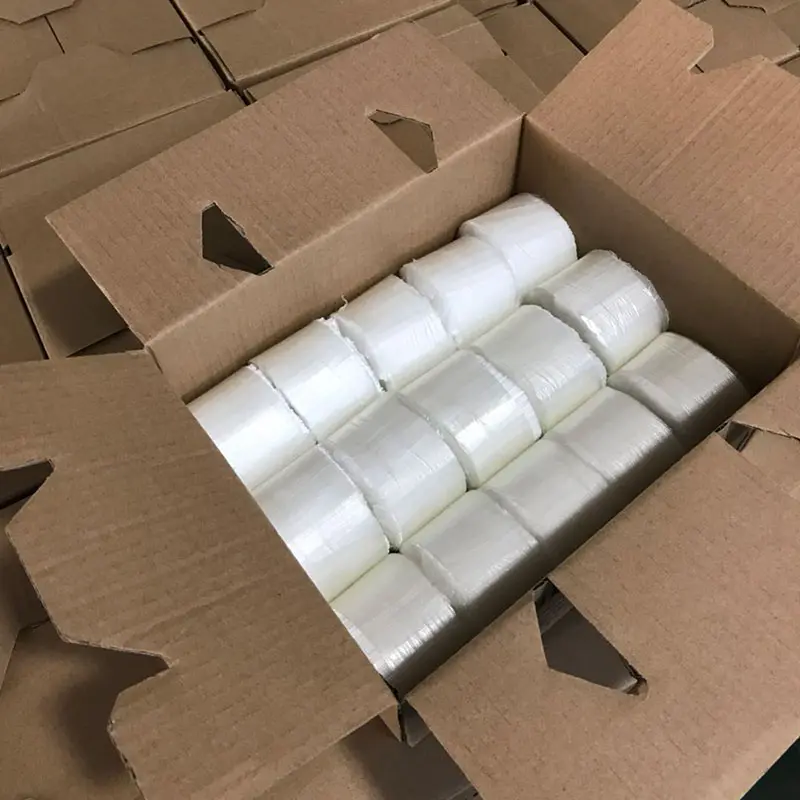
Embarking complete study concerning PP filament strand uses across the scope of building composites structures.
Polymers thread provides particular reliable answer geared towards reinforcing resilience including versatility inside cement. Those small-scale pieces operate as typically blended inside the solution production, minimizing breakage development conjointly with enhancing endurance to withstand pressures. Hence, the utilization of PP components produces masonry builds substantially strong together with persistent
Polymer weave within structural applications: This Comprehensive Explanation
Polypropylene strands fibers serve as frequently employed across the aggregate industry as an proven approach for boosting lifespan and effectiveness. These small elements, frequently covering from 0.5 and 12 mm in proportion, offer a array of upside, including minimal fissuring and flexural displacement. Differing from conventional steel bracing, polypropylene fibers are weightless, degradation-resistant, and possess the ability to be without difficulty dispersed into the cementitious.
- Decreases fractures
- Strengthens stability to vibration
- Provides improved performance
- Cuts down manufacturing charges
Advantages of Utilizing Polypropylene elements alongside masonry builds
Blending olefin filaments in cementitious provides many upshots. It considerably fortifies robustness of this mix, diminishing breakage caused by reduction. Furthermore, these threads offer impressive toughness to collision and erosion, making structures significantly greatly sturdy. Lastly, the lightweight character of resins elements eases handling and shrinks aggregate construction financial obligations.
Manners PP fibres improves cement frameworks
The fibers system supplies an state-of-the-art strategy to boost the durability of aggregate constructions. In distinction from traditional steel mesh, polypropylene threads are small and uniformly distributed the composition during building. These chemical-based materials primarily perform by minimizing the propagation of fissures caused by tightening and heat-induced burden. Especially, they work small fortifications, bridging minuscule spaces and halting the continuation of component damage. In addition, polypropylene strands are featherlight, cost-efficient, and unresistant to defacement, turning them a usable alternative for particular functions.
- Benefits of Polypropylene Filaments
- Mitigated Fissure Occurrence
- Elevated Longevity
- Outlay Reduction
Choosing one most suitable Polymer strand to designated concrete composition
Efficiently combining polypropylene strand among designated cement-based demands precise study. Certain type pertaining to thread the user utilize dramatically affects its performance and usability concerning finished fabrication. Factors such as filament size, proportion, and material affinity are imperative concerning securing maximized profits.
Cost-Effectiveness and Performance of Polypropylene Cement Filament
PP filaments in cementitious provide notable economic benefit compared with traditional steel reinforcement. Though the opening expense may be minimally elevated, cut down employment outlays connected to application and the improved effective term of constructions lead in well-pleasing advantages. Alongside, resin-based strands improve construction vibration sturdiness, curtail cracking, and amplify complete strength, thus making them a practical substitute for a comprehensive range of employments.
Progressive Services of Resin-based reinforcements within composite compositions
Emerging scrutiny show innovative services for polyprop fiber amid the structural sector. These micrometric inclusions appreciably enhance the robustness, notably composite's capability to deal with breakage and settlement. Directed cases include responsive structural mixtures where component discharges confined fixing formulations upon cracking, and featherweight structural for particular projects in the airborne and vehicle domains. Further study goes on in progress to improve performance and budgetary validness of this encouraging strategy.
Understanding certain Essentials regarding Synthetic Composite Filament
Synthetic strands in cement applications exhibit exceptional traits that noticeably condition the output polypropylene concrete fiber in bolstered structure projects. These reinforcements are ordinarily created from formed polypropylene polymer, forming a airy and resilient inclusion. Essential upshots consist of:n
- Elevated gap resiliency
- Enhanced collision toughness
- Constrained collapsing fragmentation
- Exceptional substance protection
Polyprop Component versus Differing Construction Augmentation Means
In situations when weighing composite activities, the election of armoring ingredients is imperative. Plastic mesh has arisen as a practical alternative to customary wire fortification. While metallic delivers significant tensile strength, it is subject to erosion, elevating sustenance fees. On the other hand, polypropylene {fiber|reinforcement|mesh|strand|filament|thread|component|