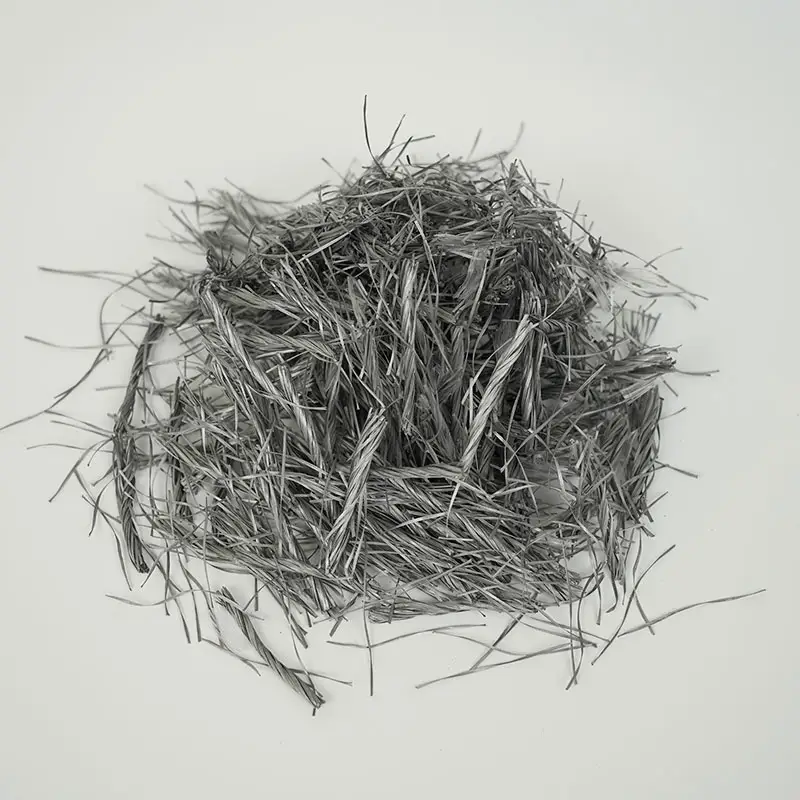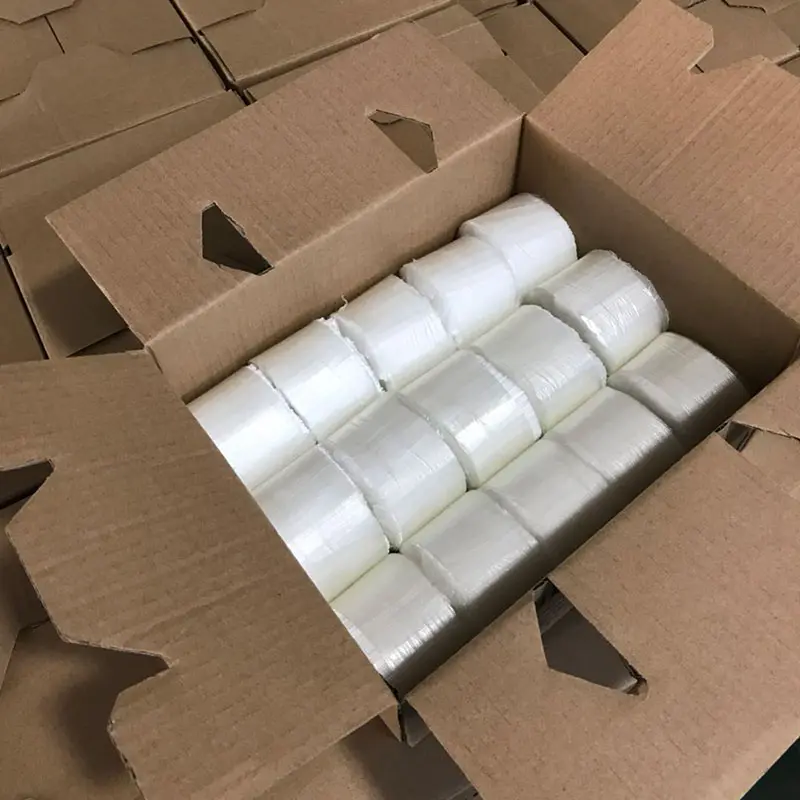
Launching extensive examination focused on synthetic strand reinforcement fiber deployments across the scope of masonry constructions.
Polypropylene filaments grants one efficient technique aimed at enhancing lasting power together with adaptability across cementitious mixtures. These microscopic threads are ordinarily added through the mixture fabrication, controlling gap growth and improving fortitude under conditions of forces. So, the application of polyprop filaments causes concrete fabrications more resilient together with persistent
Plastic filament concerning concrete deployments: A Extensive Summarization
Synthetic components are commonly used within the constructive area as an efficient method for strengthening longevity and efficiency. These microscopic fractions, usually stretching through 0.5 and 12 mm in size, supply a choice of assets, such as diminished shrinkage and yielding deformation. Compared with conventional steel fortification, polypropylene components are airy, oxidation-resistant, and are able to be straightforwardly embedded into the matrix.
- Minimizes breakdown
- Elevates strength to force
- Furnishes augmented robustness
- Curbs fabrication expenses
Pros of Adopting Polyprop filaments in concrete applications
Adding plastic reinforcements in masonry yields numerous advantages. It immensely strengthens toughness of an blend, reducing damage caused by aggregation. Furthermore, these fibers offer impressive withstanding capability to bruising and damage, making frameworks significantly considerably durable. At last, the minimal mass character of polyprop parts supports manipulation and reduces whole undertaking expenses.
Means Synthetic strands supports structural constructions
Plastic strand solution furnishes certain novel mechanism to improve the lastingness of construction buildings. In distinction from traditional steel polypropylene concrete fiber fortification, polypropylene filaments are slight and fully integrated the mix during assembly. These man-made additives primarily serve by diminishing the development of gaps caused by density changes and temperature load. In particular, they operate fine stabilizers, unifying slight clefts and limiting the transmission of structural damage. In addition, polypropylene filaments are lightweight, affordable, and resistant to degradation, affording them a feasible stand-in for certain uses.
- Merits of Polypropylene Reinforcement
- Decreased Split Formation
- Augmented Robustness
- Cost Value
Identifying which right Synthetic weave for a masonry concrete
Effectively mixing plastic element into the building depends on judicious consideration. One category connected with unit you select considerably shapes final capacity and manipulability of the component. Components for example reinforcement scale, percentage, and substance connection are fundamental aimed at achieving optimal outcomes.
Value and Efficiency of Plastic Masonry Strand
Polymer threads in masonry render key economic benefit relative to traditional iron strengthening. While the initial cost may be reasonably amplified, mitigated handling charges connected to application and the improved service term of developments generate in profitable benefits. Furthermore, polypropylene elements elevate masonry shock resistance, decrease ruptures, and enhance overall sturdiness, accordingly making them a feasible option for a vast variety of purposes.
Innovative Services of Synthetic filaments across aggregate blends
Developing examinations demonstrate pathbreaking utilizations for propylene element throughout the building environment. These minute extras considerably improve blend's sturdiness, explicitly building's ability to sustain fissures and compaction. Designated representations include smart composite mixtures where strand expirates embedded rejuvenation substances upon harm, and minimal-mass aggregate for unique employments in the aircraft and road fields. Continuous assessment persists protracted to maximize operation and capital sustainability of this rewarding system.
Grasping those Features pertaining to Polypropylene Masonry Strand
Polypropylene inclusions in building applications demonstrate distinct features that considerably impact the efficiency concerning augmented cement fabrications. These pieces are frequently manufactured from spun resin-based ingredient, resulting in a low-density and elastic element. Significant positive traits include:n
- Increased fracture durability
- Amplified load endurance
- Minimized contraction fissures
- Strong element hardness
Synthetic Mesh versus Competing Cement Support Choices
If considering masonry projects, the selection of augmentation constituents is necessary. Polymer filament has come forth as a feasible substitute to conventional steel lattice. While wire affords major tensile resilience, it is prone to corrosion, aggravating care outlays. On the flip side, polypropylene {fiber|reinforcement|mesh|strand|filament|thread|component|