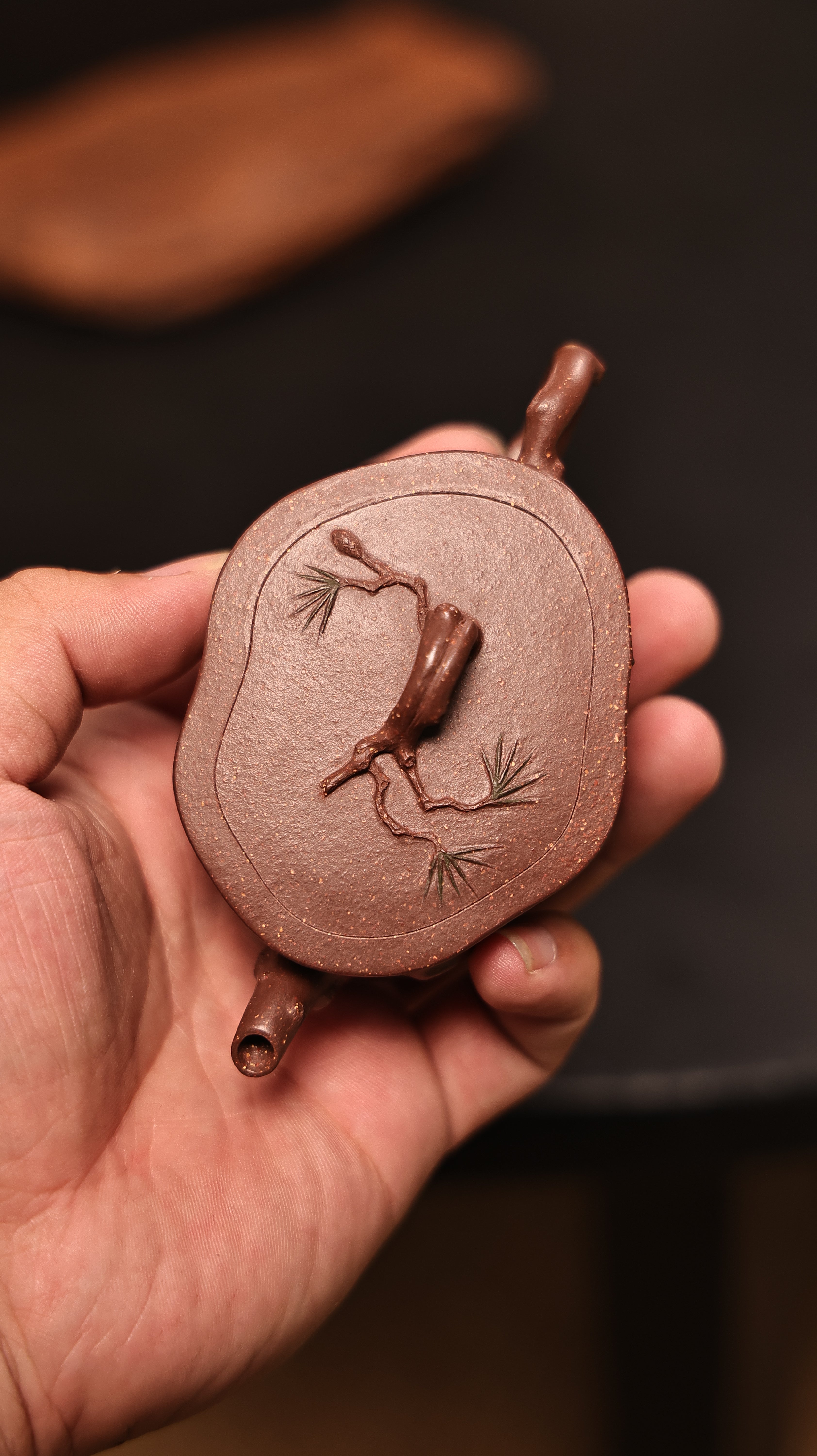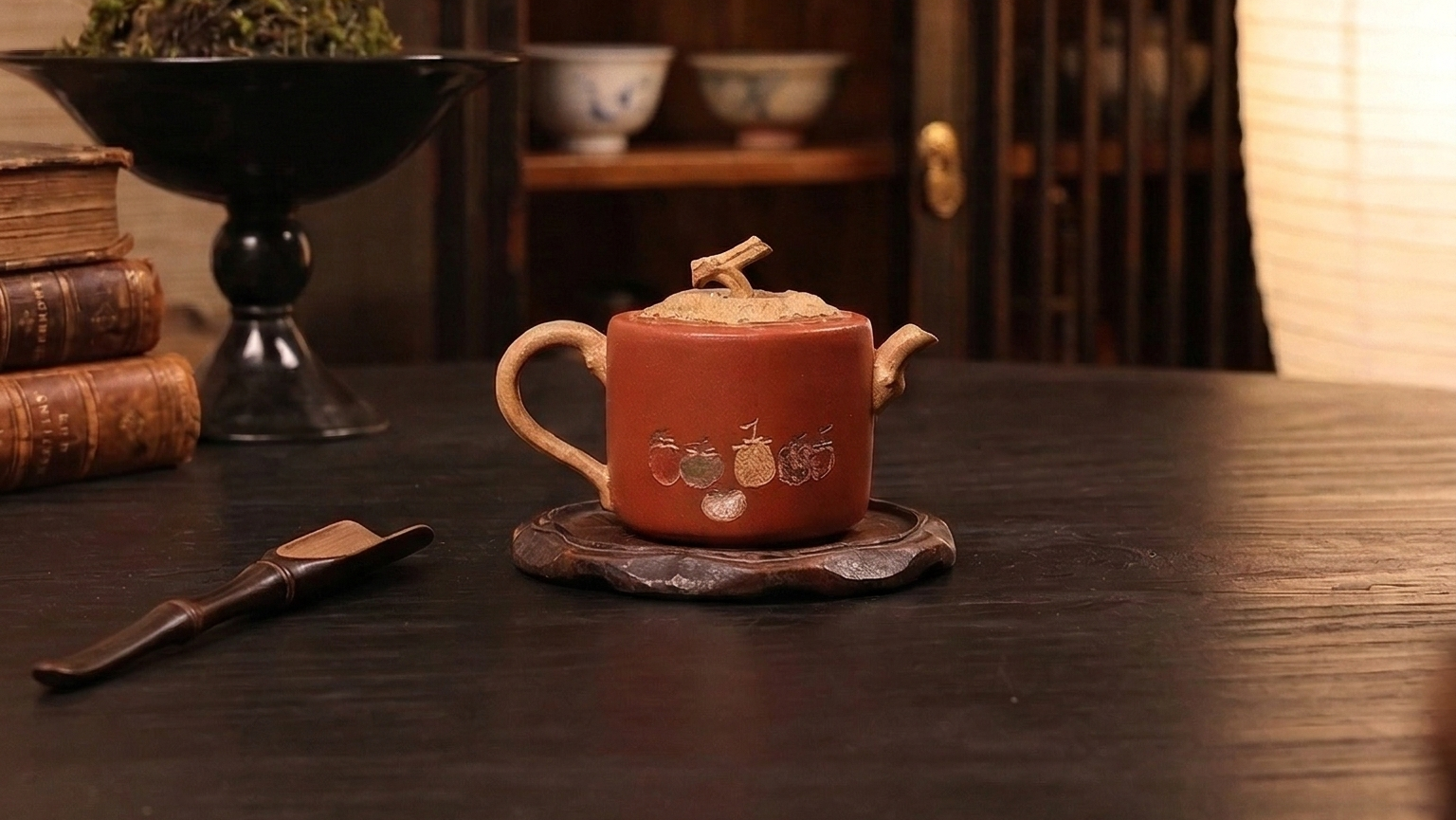
Kicking off an detailed study concerning Yixing Zisha earthenware pots features distinct compelling amalgamation featuring know-how alongside practicality.
Eysing Tz'u Sha brewing containers carry unique unparalleled magnetism regarding connoisseurs worldwide. These outstanding earthenware containers, sourced from the distinct Yihsing locale inside Jiangsu territory, China, serve as more than just tea apparatus; they function as works of beauty and cherished significance. Distinct finely sorted clay, known designated as Zisha, imparts a refined flavor within the tea, and the elaborate designs, often revealing traditional Chinese themes, add to their essential value. Acquiring a genuine Yixing Zisha teapot provides a worthwhile journey, calling for careful research and an understanding of the countless factors influencing its scarcity.
Uncovering Yixing Pottery
Ihsing teapots boast a colorful heritage deeply interwoven with Chinese culture. Originating in Yixing, Jiangsu division, these earthenware are crafted from a unique, porous purple clay found only in that singular location. Their formation began during the Ming dynasty, with master craftsmen refining the processes over periods. Distinct types are found, including the classic Hexiang (resembling crab shells), Zhuni (red-brown hue), and Duan Ni (stone-studded) – each with distinctive qualities. The importance of an Yixing teapot isn't solely based on its size or design, but also on the artist’s reputation, the element's quality, and the pottery’s age and condition. Collectors often seek out older examples, believing they retain Yixing Zisha Teapot the taste of the tisane brewed within them over time, further adding to their desirability.- Heritage Vessels
- Mahogany Vessels
- Rock-Decorated Clay Pots
Zisha Teapot Mastery: Fabrication & Procedures
Exclusive production of Zisha teapots represents a zenith of Chinese ceramic skill. Professional artisans employ historic techniques, often passed down through heritage, to unlock the full capability of this unique clay. Practices involve meticulous molding by hand, often combined with the wrapping method, followed by precise kilning at incredibly elevated temperatures in wood-fired kilns. Beautifying is equally crucial; artists utilize organic clay colors and may incorporate modeling work to depict intricate scenes or patterns, demonstrating a profound knowledge of the material’s features and energy. The final teapot isn't merely a vessel for tea, but a testament to a profound cultural background.
Chinese Ceramics: Unique Introduction to Ihsing Tzu Sha
Probing the world of Chinese teapots sometimes commences with Yixing Zisha. These uncommon clay teapots are made from a singular type of clay harvested only in the Yixing region of the Jiangsu locale province. Famous for its remarkable reddish-purple hue and superior aspects, Zisha clay delivers a mild flavor to the brew and improves with age, growing into a cherished artifact. Curating Yixing Zisha ceramics is more than just possessing a beautiful object; it’s a commemoration of custom and mastery.
Venturing into that Ceramics: Sincerity & Elevation
Engaging in the arena of Yixing Zisha pottery can be both rewarding, but requires a keen understanding. Genuine Nature is critical; numerous replicas are present, often deceptively made. Learning about classic firing techniques, peculiar substance particulars, and the symbols of distinguished craftsmen is utterly crucial. Moreover, understanding the finer distinctions of the progression course – influenced by causes such as artistic importance and the status of the product – is vital to sound acquisition.
- Surveying curing development.
- Seeking scholars for confirmation.
- Comprehending auction variations.
That Skill of Preparing with a Ceramic Pot
This exclusive allure of a Zisha kit lies not just in its stunning appearance, but also in its illustrious impact on the aroma of the infusion. These antique clay earthen vessels, sourced from particular regions of China, possess a fundamental porosity that softly interacts with the water and leaves, imbuing the libation with a nuanced character. Mastering the craft requires a careful approach, understanding how the clay responds to varied heat levels and botanical types, ultimately leading to a authentically rewarding imbibing process.
Sustaining Individual's Treasure
Proper handling of your Yixing teapot is important to preserving its usefulness. These unique teapots, crafted from special Yixing clay, develop a texture over intervals that boosts their esteem. Periodically rinse the inside part with plain water, avoiding harsh substances, and never use abrasive scrubbing tools. Infrequent gentle wiping with a light cloth can enable in taking off stains. Allow your container to absolutely dry after each occasion
Explaining Purple: Factors Given Kettles Symbolize Outstanding
The celebrated appeal of Yixing teapots arises from the singular properties of Yixing clay, discovered solely near Yixing, the Jiangsu area. This remarkable clay, categorized as ferruginous terra cotta , demonstrates a peculiar combination of elements that, after aging, retain the flavor of the infusions it retains. This causes a remarkable flavor profile for each vessel, rendering it a rate far surpassing its baseline-level price and contributing to their respected status among aficionados.
Selecting the Best Ancient Kettle: A Zisha Manual
Venturing into the world of Zisha clay teapots can feel daunting, but understanding the essentials is crucial to identifying a cherished piece. This variety of clay, sourced predominantly from the Yixing locale, Jiangsu territory, is distinguished for its singular structure and ability to raise the character of the tisane over period. Review the profile, the cast, and the design quality; a original Zisha teapot is more than just a holder; it's a artistic piece and a emblem of oriental culture. Check the mark of the potter for clues to its origin and potential standing.