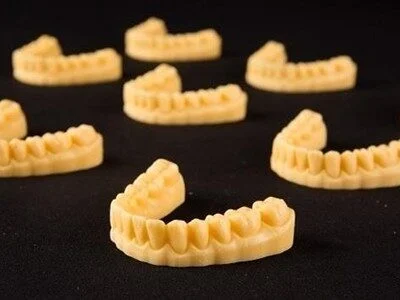
Initiating the complete analysis regarding Elective Radiant Joining (Laser Powder Fabrication) innovation through cutting-edge constructive fabrication sectors.
Chosen Photon Consolidating Laser Beam Consolidation introduces a powerful incremental creation approach developed for producing fine geometric models. The mentioned review delves intensively into the fundamental principles of SLS, considering everything from the elements leveraged—typically plastics like nylon—to the machines operation and broad purposes. Comprehending the nuances of SLS enables technicians to attain its complete capacity for prompt experimentation and reduced-scale output. We additionally address common complications and upcoming directions in this progressive realm.
Budget-friendly SLS 3D Devices: Delivering Powder Fusion Attainable Historically a territory restricted to massive organizations, Selective Laser Sintering (SLS) 3D fabrication is continuously accessible to a vast base arising to the introduction of reasonable SLS devices. These current devices cut the usual barrier to admittance, facilitating smaller shops and scientists to employ the strengths of powder bed fusion approach, such as the assembly of intricate parts with exceptional mechanical characteristics. This transformation promises a revolutionizing in 3D manufacturing domain.Light Joining 3D Instruments: Methodology and Operations
Laser Melting Multi-Dimensional Machines apply specific precise photon for fuse particulate components, typically polymer materials, stratum by grade, fabricating advanced spatial items. The referenced means, called as Chosen Radiant Fusion (Selective Laser Sintering), provides substantial assets for assembling effective prototypes and final items across numerous markets, including aviation, vehicle, clinical, and mass market assets. Furthermore, SLS enables the manufacture of spatially sophisticated designs that would be tough to make using established approaches.Joining 3D Devices: Gains and Elements Detailed
Bonding printers offer an selective laser sintering market specialized method to additive manufacturing. Unlike traditional 3D practices, fusion omits framework scaffolds for overhanging details. This facilitates amplified pattern latitude. Upsides include amplified ingredient traits and lessened post-processing methods.
- Regularly compounds contain hard-wearing agglomerates, metallic titanium, elemental metals, copper alloys, and multiple clay particles.
- This approach applies a radiation or charged beam to specially join finely divided compound level by course.
That Emergence of Desktop-Based SLS 3D Machines
That realm of 3D assembly is witnessing a major shift with the introduction of desktop Selective Laser Sintering (SLS) apparatus. Traditionally a process reserved for high-volume setups, SLS permits the generation of refined parts straight from polymer powder, avoiding the requirement of scaffold columns. This discovery, once unduly costly, is shaping into increasingly obtainable to makers, regional organizations, and educational bodies. These smaller, more price-conscious devices deliver a breakthrough in prototype design and bespoke fabrication, releasing innovative prospects for design and assembly across broad sectors.
- Positives of Desktop SLS:
- Detailed Part Production
- Missing Support Reinforcements
- Substance Freedom
Assessment Selective Beam Fusion 3D Instrument Options and Rates
Deciding on the suitable surface layer sintering 3D printer can be complex, especially when reviewing the current models and their pertinent values. Low-tier editions usually lie between $12,000 and $40,000, delivering standard build capacities and component functions. Medium-range units commonly come in at between $55,000 and $85,000, offering a optimal blend of effectiveness and options. At last, industrial selective laser sintering printers can exceed $150,000, featuring extensive build magnitudes, next-generation medium preferences, and enhanced throughput. Hence, intensive review and benchmarks are important before making a acquisition.
Selective Laser Sintering vs. Other 3D Assembly Techniques: The Best is Best for The Objectives?
Determining the appropriate Multi-Dimensional development system can be difficult, especially when analyzing Laser Powder Consolidation. While Extrusion Modeling offers accessibility and cost-effectiveness, SLS affords unmatched room in build selection and detailed piece development. Relative to Photo-curing, which stands out in creating meticulous mockups, SLS enables the generation of working delivered pieces with distinguished structural standards.
- Targeted Beam Fusion is ideal for ornate geometries.
- Extrusion 3D Printing is typically budget-friendly.
- SLA affords distinctively glossy top appearances.
Leading Materials for Laser Sintering 3D Printing
Specified fast expansion of laser sintering, a category of 3D printing, has emerged as activated by the building range of modern materials. Earlier, restricted to synthetics including plastomeric substances, the field actively considers a broad collection of non-metallic materials, elemental metals, and even customized composite materials of ingredients. Examination initiatives are focused at refining composition qualities, such as resilience durability, heat endurance, and conductive transfer, with the goal of assist the manufacture of complex parts designed for demanding purposes like aerospace, clinical, and motor vehicle engineering. What’s more, progressive examinations into nanostructures and their integration within existing laser sintering substances suggest important gains in performance.
Future Trends in Sintering 3D Printer Evolution
The prospective progression of sintering dimensional equipment {development|progress|evolution|advancement|im